Barbershop Premises Requirements: Area and Basins
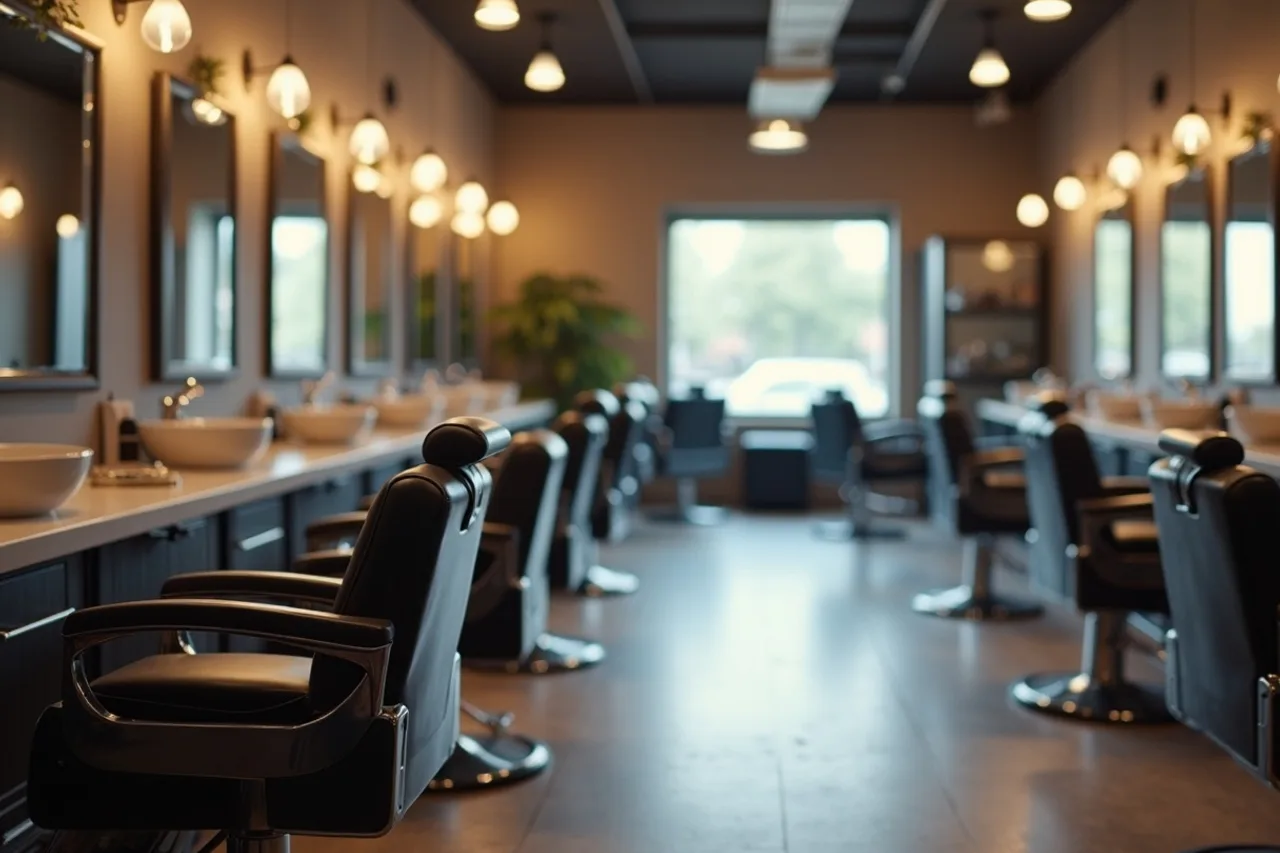
You have spotted the perfect unit - a nice shopfront, a good address, an affordable rent. It is 22 square metres. "Enough for two chairs," you think.
You have spotted the perfect unit - a nice shopfront, a good address, an affordable rent. It is 22 square metres. "Enough for two chairs," you think. And here comes the question that can overturn the whole plan: does that floor area even meet the requirements for a barbershop? Because if the inspector comes to the sign-off and sees there is nowhere to fit a hair-washing basin or space for disinfection equipment, a nice shopfront will count for nothing. This article explains what premises requirements a barbershop must meet - floor area, washbasins, surfaces.
Is there a minimum floor area for a barbershop?
Let's start with the most common myth. There is no single fixed number in the regulations that says "a barbershop must have at least X square metres". The requirements follow from the general sanitary and hygiene rules for hairdressing establishments and from the technical and building regulations for workrooms.
In practice two things matter:
- Area per workstation - there must be enough room for a barber to work freely and safely
- Room height - technical and building regulations usually require a minimum height of 2.5 m for rooms of permanent work (with mechanical ventilation, 2.2 m is sometimes allowed for a small number of people)
Realistically: for a single barber station you need around 4-6 m² so that the chair, the space around it and access to the mirror all fit. On top of that you add the back-of-house area, washbasins and a staff area.
Why does the space around a station matter? A barber works with sharp tools, moves around the client from every side, and there must be enough slack between chairs so as not to bump into each other and into clients. Stations that are too cramped are not just uncomfortable - they are a real risk of cutting someone. That is why "cramming" three chairs into a unit that sensibly fits two will come back to bite you, on both comfort and safety.
Dividing the premises into zones
Even a small barbershop should have a logical division of space. It is not just a requirement - it is order that shows during an inspection.
- Service zone - chairs, mirrors, workstations
- Hair-washing zone - a hairdressing basin with hot water
- Disinfection and sterilisation zone - a place for cleaning tools
- Staff back-of-house area - space for staff clothing, waste, cleaning supplies
- Toilet - available to staff (and clients, if the premises allow)
In a 20-30 m² unit these zones often overlap, but they must be recognisable. A barber cannot disinfect a razor at the same basin where they will shortly wash a client's hands - the inspector picks up on things like that.
Washbasins - the most common problem at the sign-off
This is the point on which the most barbershops stumble. The establishment must have running hot and cold water and an adequate number of washbasins. In practice this means at least:
| Type of basin | What for | Requirement |
|---|---|---|
| Hand-washing basin | Staff hygiene between clients | Compulsory, with soap and towels |
| Hairdressing basin | Washing clients' hair | Hot water, convenient access |
| Tool-washing station | Disinfecting equipment | Separate from the hand-washing basin |
The key rule: the hand-washing basin cannot be the same one in which you wash tools. Mixing functions is a classic non-compliance. We write more about installations in the piece on ventilation and water in a barbershop.
Surfaces and finishing materials
The inspector checks whether the premises can be kept clean. That is why materials matter:
- Floors - smooth, washable, non-absorbent (tiles, resin, PVC flooring - not carpet)
- Walls - washable at least in the washing and disinfection zone (tiles or washable paint)
- Worktops and consoles - made of a material easy to disinfect
- No porous, hard-to-clean surfaces in the working zones
An industrial or vintage style is fine - a brick wall or wood as a decorative element is not banned. But in places of contact with water and tools the surfaces must be washable.
The practical division looks like this: the decorative zone (the wall behind reception, a brick feature, a wooden sign) can be atmospheric, because there is no contact with water or chemicals there. The working zone (worktops, the area around basins, walls by the wash units) must be smooth, washable and moisture-resistant. A well-designed barbershop combines the two - it looks raw and stylish while passing an inspection without remarks.
Toilet and staff facilities
A barbershop must have access to a toilet. In small units a single toilet is sometimes allowed - the key is that it is kept clean and fitted with a washbasin, soap and towels. Beyond the toilet, it is worth setting aside a staff area: space for outdoor clothing, a short break, and storing personal belongings separately from the working zone.
The back-of-house area also includes a place for waste. A barbershop generates ordinary waste (hair, disposables) and sharps waste - blades and replaceable cutting edges. The latter must go into a closed, labelled container, not an ordinary bin. This is a point the inspector checks almost every time.
Lighting, ventilation and facilities
A room of permanent work should have access to light and functioning ventilation. For a barbershop, the following also matter:
- Adequate lighting of the stations (precision work with sharp tools)
- Ventilation that removes chemical odours (dyes, sprays, disinfectant liquids)
- A place to store clean and dirty linen (towels, capes) separately
- A lockable cabinet for chemical products
Rented versus adapted premises
If you take over premises from a previous barbershop or hair salon, you are in a good position, because the installations are already there. If you adapt premises from a shop or office, expect higher costs: bringing water to the hairdressing basins, ventilation and washable surfaces are the most common investments. That is exactly why, before signing the lease, it is worth checking where the water and sewage connections are.
A short checklist before signing the lease:
- Where the water and sewage connections are - and whether the hairdressing basins can be brought to them
- What the room height is and what ventilation options exist
- Whether the surfaces can be brought up to a washable standard without huge costs
- Whether the floor area realistically fits the planned number of stations plus back-of-house
- Whether there is room for a toilet and for separating the zones
One phone call to an installation specialist before signing can save you from an investment that makes no economic sense. A nice shopfront will not make up for not being able to bring water to where you need it.
Frequently asked questions
How many square metres does a barbershop need per station?
The regulations do not give a single number, but practically plan for around 4-6 m² per station, so that the chair, mirror and space around them allow safe work. On top of that, add the back-of-house area and the washing zone.
Does a barbershop need a separate toilet for clients?
In small units a single toilet shared by staff and clients is sometimes allowed, as long as it meets hygiene requirements. The key is that it is available at all and kept clean.
Can I have a brick wall and wood in a barbershop?
Yes, as a decorative element - as long as, in the zones of contact with water and tools, the surfaces are washable and easy to disinfect. A vintage style does not clash with the sanitary requirements.
Is one washbasin enough?
No. You need a separate hand-washing basin and a hairdressing basin for washing hair, and the tool-washing station should be separate from the hand-washing basin.
Want to know whether your premises will pass the sanitary sign-off?
BarberReady gives you ready-made procedures and hygiene documentation tailored to a barbershop - with a checklist of premises, disinfection and zoning requirements. You walk into the inspection with no surprises.